Sunday, May 20, 2007

Le lezione italiana

It is through the table rather than textbooks that you learn a language. It is not about listening and reading words. It is about absorbing a language, ingesting it.

In Naples, I learnt to speak beginners italian through my stomach. Each day is a lesson about food - what to eat, when to eat and how to eat. The flavours of the food are like the local dialect. Distinctive and unique. In Naples, the endings of words disappear, the letter e becomes ie in pronunciation, v turns into b and d into r.

This is my la lezione italiana from a week in southern Italy.

Lezione uno: Posso avere dell’altro café, per favour?
The sun raises and the haze falls away to a morning that begins with a walk and the sound of church bells in the distance.

Breakfast is at 8.30. A breakfast of il toast, la burra, la marmelata di casa (la prugna e l'albicocca), e epxresso. Naples is well known for its coffee – a rich, almost sticky, sweet coffee that goes perfectly with il cornetto con la nutella. Such il colazine makes for a leisurely and welcome start to the day. The coffee comes in small pots and quickly goes. So, one of the first things I learn is – can we have some more coffee please.
Half an hour break and then our lesson starts.

Lezione due: Si prega di non toccare
It is impossible to travel to the south of Italy and not discover limoncello.


This sweet liqueur made from the rind of lemons is the epitome of relaxed Italian life. I drink it every night after dinner, even though I remain unconvinced about the taste. Yet, it seems the perfect conclusion to each day. It reminds me of the local cernamic tiles from nearby Vietri sul Mare (the southern tip of the Amalfi coast), the olive trees that surround the agristourismo, the sound of the goat herds and the lemons that smell and taste sweet. They are monstrous in size and we see them grow on vines down the mountains on the way to the coast.
I am tempted to buy a bottle to take back to London but in the tourist shops in Postiano and Naples, the colour of the limoncello is too exaggerated and the bottles made for tourists seem too obvious. So in Postiano, I avoid the tourist shops and go food sampling.
My favourite ... frozen yogurt flavoured with limoncello.

Lezione tre: C’e un carciofo?
The word for artichoke in Italian is il carciofo. We eat it as an antipasto and with spaghetti. As an antipasto, it is grilled on open flames and served with a light drizzling of oil. It is from the garden and has been cooked on the bbq earlier in the afternoon. Its flesh is succulent and chewy. You tear off each petal and grip the flesh with your teeth enjoying the smokeness of the taste. Its heart is filled with a dressing of oil from the agristourismo and fresh parsley.
The following night it comes again from mama’s cena served parmigiana style. Delicate in flavour and enhanced by the taste of fresh tomatoes, it is wonderful.

Lezione quatro: The art of filleting a fish
There is something about a flirty waiter and I find myself in the company of a professional at Ristorante 'o Parrucchiano la Favorita, Corso Italia, Sorrento.

Dinner here is an occasion: both a thank-you dinner to Marco and Marcello and an opportunity to eat some spectacular food. We begin with simple carciofi, presented on fine china as our antipasto.


Per primo, I am served i stellini agli ravioli – star shaped ravoli with prawn in orange and lemon sauce. The taste is of crystallised fruit, perfect and extraordinary.


Next is Sogliola del Tirreno al Forno (or simply the catch of the day baked in olive oil). Again, it is extraordinary in taste – the olive oil is fruity and surprisingly doesn’t overwhelm the dish.
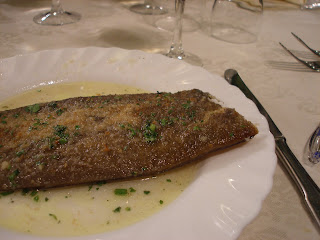

I find the fish very bony- almost impossible to eat, and so il cameriere swiftly removes my place and fillets it. It returns to the table, arranged in delicate fillets, snowy white and perfect.

I am amazed. He speaks to us in English. I tell him that we only speak Italian. At the end of the evening, I kiss him good night. Buona sera.

Lezione cinque: Fare tiramisu : a lezione per Marco nella cucina.
There is only one way to eat tiramisu – on the evening that you make it and then in the morning for breakfast.

Marco finally delivers on his promise of teaching us how to make this classic Italian dish. A promise that begun several weeks beforehand in our Italian class. Eight of us crowd into the kitchen, eager to learn his secret and to ensure that he actually makes it.
The recipe is easy enough but the art of tiramisu is in the making – several glasses of the house vine, great showmanship and lots of laughter. So in Naples, I learn how to make tiramisu.
Here’s the recipe:

Make a good pot of expresso– very strong, and then add some water to make a large bowl of coffee. While it is cooling, grab a glass of house wine and whip 200g white refined sugar with 2-3 egg yolks until well blended. (Note: do not add house wine, it's for you to drink.) Add a splash of milk to moisten the mixture and then add 0.5 kg of mascarpone cheese. You can add marsala but we didn’t have any and it still tasted great.
Once the coffee has cooled, dip the savoiardi (biscotti) into the bowl. Avoid talking or getting distracted as the biscuits quickly dissolve. Line the tray with the biscotti.


Once you have finished your first layer, cover with mascarpone. Continue this layering until you have filled the tray.
Cover the final layer (don't forget the mascarpone), finish with a dusting of drinking chocolate and then refrigerate. Wait a couple of hours and then eat.

Lezione sei: La dolce vita

The agristourismo where we stay is one of the many farmhouse stays, so popular in Italy. Four generations live here in this working farm that produces olive oil, wine and legumes. Each meal is another lesson in Italian cuisine as we literally eat the harvest of the garden.

Pasta e fagioli, penne alla funghi e spaghetti al carciofi are simple seasonal dishes. Provola cheese cooked between lemon leaves. The ingredients are fresh, the tastes uncomplicated but each time, so memorable.


This is the life. The days are long and warm. There is no rush and I enjoy just sitting looking out to the Bay of Naples after lunch, half dozing and half revising the lesson. There is a job going or so Marco tells me. It is domestic work but I’m tempted. Perhaps I could manage to work in the kitchen, if I’m lucky.
It’s the perfect life. Someone always seems to be cooking and someone is always eating.


Lezione sette: Che ora e? Siesta. Tutto chiude.
A day in Naples begins in the University sector, we wind our way through the streets discovering churches and local delicates like Naples famous baba. It's a sweet pastry, almost cake, soaked in rum and filled with chocolate cream or custard. We walk pass street stalls, piazzas and cafes, following our local guides - Marco e Marcello.

From a distance, Naples is surprising large. A sprawling and dirty city that has almost cast off its seedier reputation in a renaissance that started in the 1980s. Despite its nod to tourism, it stubbornly refuses to become another Roma or Venezia.
Come 12.00 noon, everything closes. Naples stops for lunch, a rather leisurely lunch that ends at 16.00. Plans for shopping are abandoned and I embrace this most civilised and anti-tourist practice. This is the time to people watch. A favourite place is Gambrinus, a previous haunt of Oscar Wilde’s. Yes it’s expensive and a little clichéd but the views are perfect.

Fashionably attired Italians coo over their expressos and groups of business men talk. It proves to be the perfect place to try sfogliatella, another pastry filled with ricotta and dusted with icing sugar.


Lezione otto: Molto grazie ma non mangio la cena stasera.
I arrive in Capri welcomed by rugged vistas, swags of bougainvillea and tourist buses. I quickly walk pass the men with placards advertising hotels to the bus station. Another opportunity to practice my Italian: a che ora e il prossimo l’autobus a Anacapri? In ten minutes or so is the answer.

I go to Anacapri because it is away from the main tourist spots and it’s considerably cheaper than Capri, made famous by Jackie O and Ms Bardot. After a boat ride and two bus trips, all I want is a expresso decaffeinatto. There is a café directly opposite the bus stop and this where I meet Enzo. He buys me a café, no doubt charmed by my ‘perfect’ Italian! Why not I tell myself, I can practice.

He was born in Anacapri and has lived here all his life. He is charmed that I think it is a bella isola e mi preferisco Capri a Napoli. He even corrects me when I confuse newspaper (il giornale) with day (il giorno).

He asks me what am I going this evening and would I like to go out to dinner. I gratitiously decline for two reasons. One, I have eaten so much over the last five days in Naples that I literally cannot eat – sono molto piena and two, he is my father’s age. I am flattered and thank him. He tells me that I am beautiful.

I wave goodbye from the bus as I head to Capri and amaze at Italian men. I am at least twenty years younger than him – but that’s the fun of being in Italy.

Lezione nove: Always arrive early
It is my last day in Capri and I decide that I can’t leave without seeing the Blue Grotto. I catch the local bus and find myself at the top of the hill with no idea where I am going. I walk down the stairs, pass the obligatory tourist shop, to find myself at the water’s edge wondering where the grotto is. Then suddenly it become clear, I need to get into a boat. Five euro is the going rate. I step in to cheers of the surrounding boatmen.

The entrance to the Blue Grotto is small. I have to lie down to avoid decapitation and once through this small entrance, I open my eyes to see a most lustrous blue. The word for blue in Italian is azzurro and the sound of this word somehow embodies what I see. The light simmers, like an aura, luminating the grotto and the water beneath.

Do I want to go for a swim, he asks me. No, not today.

Instead, he sings. It is just him and me. I bathe in the light to the sounds of his voice. This is tranquility, only interrupted by the arrival of some Japanese tourists. In quick succession, five boats come through the opening and the stillness is interrupted by camera flashes and laughter.

Time to go. Will I come back again, he asks.

Of course.

Lezione dieci: Quando tornare a Italia?
I don’t know what it is. Maybe it’s the food or just the slowness of living, but Italy gets into your skin. I arrive back in London and it's gray and somber. I hit the underground and people push and shove as they squeeze onto the 8.20 District line train.

Naples seems such a long way away – a lifetime away. I grab a coffee and walk to work from the tube. Holding onto my holiday experience before I hit the hayhem of the office.

So what’s a girl to do? Well, she books a flight to Milan in June. Why? To practice her Italian.


Saturday, March 24, 2007

La Dolce Vita

Sono molto felice perche in tre settimana vado a Naples. A bella citta. Vado studiare la lingua italiana con studente per la institute cultural italiana. Per dieci settimana scorso, studio Italiana. Il corso e trenta ore. E fantastico e mia insegnante e molto buono e buffo. I studenti sono simpatico e studiamo la lingua perche e una bella e anche interessante per la cultural italiana, specialmente cucina! Mia italiana non e buona ma amo imparlando. Questa e mia primo tentativo scrivere una lettera a italiana! Mi dispiace per sbaglio.

I am heading off to Naples in three weeks times to study Italian for a week. For the last 10 weeks, I have been going to the Italian Cultural Institute to study Italian. It has been a fabulous experience and I have loved every minute of it. Why Italian? Well after my slow food experience in Turin, it seems the most appropriate start to the pursuit of a slow(er) life. Big aim – to live in Italy and work for the Slow Food Movement! One can only dream.
Saturday, January 27, 2007

In celebration of firsts

Life's most treasured memories and celebrations are firsts - a first birthday, a first kiss, a first grandchild, a first wedding anniversary. There is the first time we fall in love and the first time our hearts are broken. We never repeat our firsts and after that we just have seconds.

As we get older, there seem to be fewer and fewer firsts or maybe they just happen without the cards and celebratory wishes. These are firsts that we hold onto and are often things we only know about.
My firsts include my first taste of coriander. It was pungent and its deep green taste seemed so foreign and exotic. There was my first black truffle savoured and eaten using a recipe from the Mushroom Man at Prahran Market. I still remember the recipe - eggs, cream, orange zest, orange juice, all combined to make eggs on sourdough with truffles. I remember receiving my first cookbook - Green's Cookbook, and the first time I went to a four star restaurant and ordered wine. I felt like a grown up and it was with a man that I loved very much. These different firsts came in my twenties and much later.
This week I experienced another first - snow in London. I woke up on Wednesday morning to discover that overnight an inch of snow had fallen . It was soft and dewy, pristine white and crisp like the day itself.
I ran to Hyde Park making snowballs on the way and throwing them on the footpath. I felt like a child again - it was wonderful. I made my first snowman complete with a hat (courtesy of Helen Kaminski) and even ate some snow. (Note to self: take carrot when wishing to make snowman in the park.)
I wanted to know what it tasted like and it tastes just like snow. It's cold.

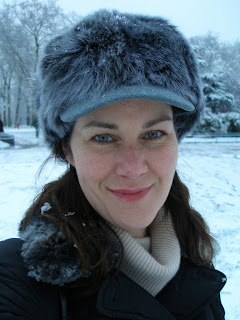
Self portrait in Kensington Gardens - I threw snow over myself, so the photograph would look more authentic! Big thank-you to my cousin Kate for sending me my wonderful Helen Kaminski hat from Australia. It has been gratefully worn in Venice and now London.

Saturday, January 06, 2007

A Venetian tale

Everything that anyone has ever written about Venice is true. It’s a magical city that glistens in the sunlight and turns into a deceptive maze of streets at night.

Proust wrote of Venice that ‘my dream became my address’. It's true. Venice is a subterranean city where dreams are born in the waterways only to dissolve in the city’s mists that roll in from the sea and cover its islands. It is a city that harbours lovers and is haunted by death.

The way to discover Venice is to abandon yourself to the city. The Piazza San Marco is spectacular but it is in the neighbourhoods beyond this famous landmark that you'll discover all that is unique about this city on water. Explore the labyrinthine of bridges and connected streets and get lost. Maps will prove useless as streets that seem straight on paper turn out to be sinuous lines that resist navigation. Perhaps it’s the endless tides that result in these shifts of the cityscape. How else can you find a piazza one day but not the next?

The only people who know the city are the boatmen, who travel its waters and the inhabitants of San Michele, the centuries old resting place of Venetians. Their ghosts are the spectres of light that you see dance across the water at night.

SEE
From the Basilica di San Marco. you can look out to the piazza, take in the soaring heights of the Campanile and the grandeur of the Palazzo Ducale. Such a spectacle is only rivalled by the inside view of the basilica. This is a church made of gold. Saintly figures stare out, so poignantly human in their expressions and gestures.

Board a gondola and see Venice as the boatmen do. Travel the canals to the recorded sounds of O Mia Caro (or if you are lucky a tenor accompanied by a guitarist) and discover the hidden waterways of the city and abandoned palazzos.

At dusk, stand on the bridge opposite the Galleria dell' Academia and watch the sun set over Venice. This view of the Canal Grande takes in the Basicilica di Santa Maria della Salute and the Dogana di Mare. Truly magically.


ART

You’ll need several hours to visit the Gallerie dell’Academia. This gallery houses some of the best examples of Renaissance art. Be sure to find Bellini’s La Tempesta and attempt to solve its puzzling symbolism (room 13). Veronese’s Feast in the House of Levi represents the mastery of this period; a controversial work in its day (room 10). The artist was brought before the Sant’ Uffizio and accused of heresy because of his unconventional approach to his subject of this painting.

No trip to Venice would be complete without a trip to the Museo de Peggy Guggenheim. This Dogess of modern art stated that she wanted to collect a piece of art a day. Her former residence houses a formidable collection of surrealist art. Most striking is the collection of Murano glassware. Intrigued by the qualities of glass, she organised a number of collaborations between Venetian artisans and artists like Chagall, Picasso among others.

In many of the shops throughout Venetian, you’ll find reproduction Fortuny lampshades and fabrics. At the Museo de Fortuny, you can visit the palazzo of this 20th Century designer, photographer and artist. On display are examples of his fabrics as well as lampshades made for the Hotel Excelsior on the Lido in the 1920s but the real highlight is the photographic collection. Look for the 1902 photograph of Piazza San Marco without the Campanile, which famously collapsed the same year.

EAT

Hidden in the neighbourhood of Dorodorso is Do Farai, an osteria that specialises in seafood carpaccio. Order the carpaccio di brancino all’hg and Stefano will create fine shaving of fish dressed with olive oil, lemon juice and wine from a whole fish in less than five minutes. Move onto the spaghetti con nero di seppia and as Stefano tells it ‘you’ll eat like the Venetians do’.

San Marco may be only five minutes way away, but Corte Sconta is a true Venetian secret. You will need to book regardless of the time of year so popular is this restaurant with locals. Follow the tradition of this restaurant and order the selection of seafood appertizers. The scallops are particularly memorable as are the Venetian style Scampi buzara served with fresh tomatoes and apples.

Across the lagoon on the island of Giudecca is Mistra, a shipmakers’ canteen that does a brisk business for only a few euros. At Ai Gatto Nero on the island of Burano, the antipasto degustazione is a three course symphony that begins with sardines and baked scallops and concludes with muscles and pipis. For a more upmarket affair, try Da Fiore, Venice’s only Michelin star restaurant.


DRINK

I’m just wild about Harry and he’s just wild about me; so the song goes. It’s a little clichéd and admittedly overpriced but there’s no better way to celebrate being in Venice that drinking a Bellini at Harry’s Bar. This mid-afternoon drink is the perfect way to people-watch and enjoy the atmosphere of this famous institution.

Cantina do Mori is not easy to find but once found it’s the perfect place to sample ciceti (Venetian term for small bites). Enjoy the dark cavernous feel of this bar with its overhanging pots and large vats of wine and the seafood ciceti inspired by produce from the nearby Percaria market. The Osteria ae Cravate in San Croce is another local bar offering excellent food and service.

The best seats in town are at Café Florian overlooking the Piazza San Marco. Your view will be expensive but regardless of whether it is day or night, you’ll describe the experience and the cost for years to come. If the Florian is full, then the Gran Caffe Ristorante Quadri is just as good.

SHOP

Venice is famous for its Carnivale. Even if you don’t get to this most extravagant of festivals, you can purchase one of its famed masks. Ca’Macana is one of the best known having made masks for Kubrick’s Eyes Mind Shut. For marionettes, try Il Gatto Matto. This store also sells masks richly decorated in Venetian moretti glass; others are inspired by the richly ornate work of Gustav Klimt.

You’ll find the famed marbled paper at one of the outlets of Il Papiro and La Ricerca, but at Legatoria Piazzesi you find something unique. This store first opened in 1828 and paper is still made using the original wooden blocks. For the literary at heart, there are books, diaries and journals, and desk accessories.

Giacomo Rizzo is the place for specialist pasta. Some are simply for decoration (surely) but the more traditional funghi, seppia and pomodoro are excellent buys to take home. Another stop on your food trait is Antica Drogheria Mascari for porcini mushrooms, lemoncello, chocolates, teas and sweets.


SLEEP
Formerly the residence of the Doge of Venice, Andrea Gritti, the Palazzo Gritti is the most luxurious hotels in Venice. Its rich furnishings are what you would expect of such an elite residence that has attracted guests such as the Duke and Duchess of Windsor and Princess Grace of Monaco. Recognised as a world-class hotel for its elegance and discreet service, this hotel with its view onto the Canal Grande is the hotel to be pampered.


Situated close to the Museo de Peggy Guggenheim, the Ca’ Pisano was the first design hotel in Venice and has a reputation for outstanding service. Its modern design in a sixteenth century palazzo will appeal to those with a modern sensibility.

Hotel Al Sole is one of the many converted palazzos that you will find throughout Venice. It’s location across a canal in San Croce and its picturesque courtyard makes it an ideal place to stay.


ISLAND HOPPING Venice is famous for its glassware and lace, so a day trip to the island of Murano and Burano to see these centuries old craftsmanship is a must.

The reputation of Murano glassware is well deserved. You’ll find the normal array of tourist items, moretti jewellery and reproduction goblets, but also some spectacular modern pieces. The best showrooms are Venini and Barovier and Tasso. Most showrooms will ship anywhere in the world.

Burano is a quiet and picturesque island celebrated for its brightly coloured houses and lace-makers. Each woman specialises in a stitch and it’s possible to watch this intricate and painstaking work in many of the local shops. Try La Perla and Martina for specialised homeware.


MUST DOS

Away from the tourist hordes, the neighbourhoods of Venice offer the perfect opportunity to sit at a café Venetian style.

Grab a mid-morning coffee at one of the city’s many pasticceri. The Café Toletta is typical of these small shops. With no seats or tables, this is the closest that Italy gets to fast food. Do as the locals do and order a café and perhaps a pantoza from the dolci and pastries on display.

The Campo San Margherita offers a lively spectacle of a fresh vegetable, fruit and fish market and by 12 noon, the outside tables are full. It is easy to understand why Italy is the home of slow food. Linger over your café for an hour; grab a midday ciceti at one of the many cafes or a gelati from Gelateria Igloo. Stop at look at Vinaria de Oro, where local residents buy their bulk wine. While you are there, visit the Scuola dei Carmini to see the ceiling paintings by Tiepolo.


Beyond the Rialto bridge and tourist shops, you’ll find the Pescatoria and fruit and vegetable market. Here is the place to buy dried porcini mushroom and dried tomatoes to take home. For a lesson in how to prepare artichokes, the local vendors trim, cut and slice these extraordinary vegetables ready to take home.

Tuesday, December 26, 2006

1st freelance gig in London

Although things have been very hectic with work, I submitted my first freelance piece for the website, All in London. "First rate" was the response and here's how you get paid. I won't be going anywhere on the proceeds but it's a beginning.

It's a piece on how to keep your New Year's resolutons in London.

So you’ve survived the silly season. You bargain shopped at the post-Christmas sales, you’re back on speaking terms with your family and your work mates have stopped ribbing you about that unfortunate incident with your boss. With 2007 in sight, you’ve been planning your New Year’s Eve, juggling invitations, and hoping that this year’s party will be better than last’s.

When the clock climes midnight, most of us will make some type of New Year’s resolution, fuelled by some bubbly and the euphoria of the moment. The passing of one year to the next only occurs once a year, so why not celebrate. The revellers among us will come up with some of the tried and true resolutions, those that make the following top ten list. Others armed with a bottle of vintage bubbles, pen and paper, will scribe their reflections into the night.

Such heady optimism rarely translates into reality. Our resolutions are often forgotten or dismissed as too hard in the light of New Year’s Day. So if you want to get over the 02 January hump, here are some suggestions that will take your resolutions well into the New Year.


Go to www.allinlondon.co.uk/life (for the full text).

As for my own resolutions for 2007, well top of the list is to do more writing.

The festive season: Christmas 2006

A Boxing Day recovery after a fabulous meal by first time Christmas cooks – Juliet and Ian.

With no public transport in London, I walked from Kensington to Battersea, stopping off to admire the Thames on what was a very mild winter’s day.

On arrival, I was promptly given a glass of champagne and the day only got better from there. I inspected the turkey that had been lovingly dressed in stripy bacon and then happily settled into the role of guest.

Presents had arrived from Australia – a smashing Helen Kaminski hat from Kate, some beautiful earrings from Chris and Gerard, and even a Santa sack full of games and Australia fare. I was touched and overwhelmed.

Lunch was a leisurely affair – a day of eating and drinking.


The turkey was presented with roast potatoes and parsnips (cooked in goose fat), brussel sprouts and carrots. There was bread sauce as well as cranberry. The wine was from Coonawarra from the Majella winery – a very nice, peppery shiraz. We followed with a piece of pud (well two servicings actually) served with brandy butter and cream. Very extravagant but delicious.

It was such a wonderful family day. One that began with a call to Melbourne where I spoke to my Mum and Dad, Finn, Stephanie and Andrew, my grandmother, John and Sue and then another call to Joan and Brian.
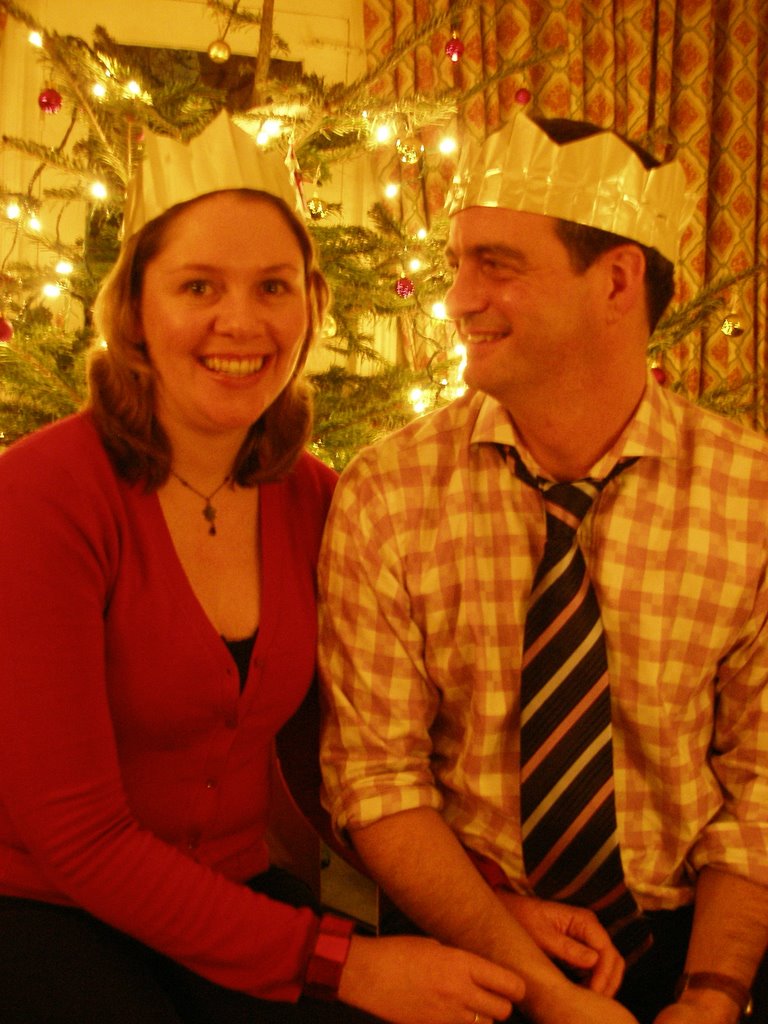
Here's me looking a little festive.
It's been a big year. Next stop on the food tour will be Venice.

London foodblog

So, what’s a girl to do when she arrives in London and wants to find like-minded foodies to discover her new city with. Well, she sets up a food group doesn’t she!

The idea for the London food blog started with an idea back in Melbourne. The dilemma of any self-respecting foodie is finding out where to eat. You’ve arrived, found your hotel and unpacked. Next item on the agenda is: where do the locals eat? Thus starts your epicurious adventure.

The tourist menus, including those two for the price of one, hold no interest. Nor do we feel inclined to book into a Michelin star restaurant, however tempting. We aren’t denying that a world trip exclusively devoted to eating at the world’s top 100 restaurants wouldn’t be a good thing. No, the joy of travelling is discovering local places – a fantastic deli, a specialist food store or restaurant much loved and frequented.

So who are we? The London food blog is a group of hungry writers, wine enthusiasts and the food curious that like the idea of exploring the city they live in. Some of us are from the Isles and others of us are foreigners who arrived and just want to stay. Our quest is to produce a local local’s guide to London eating as we follow our noses and our stomachs to explore the celebrated, hidden and recognised food haunts of London.


Stay tuned in 2007 for a new horizon of culinary adventures.

Eating London: my first visitor

My dear friend Jane arrived from the Netherlands several weeks ago to spend her first weekend in London. Her arrival gave me my first opportunity to play tour guide. I picked her up at Liverpool Station with the inspired idea of taking her to the Spitalfields organic market. I had vision of cooking an organic dinner to share with my friend, Lani. Unfortunately, the market was closed for renovations. Not deterred by this first setback as a tour guide, I embraced the role with enthusiasm.

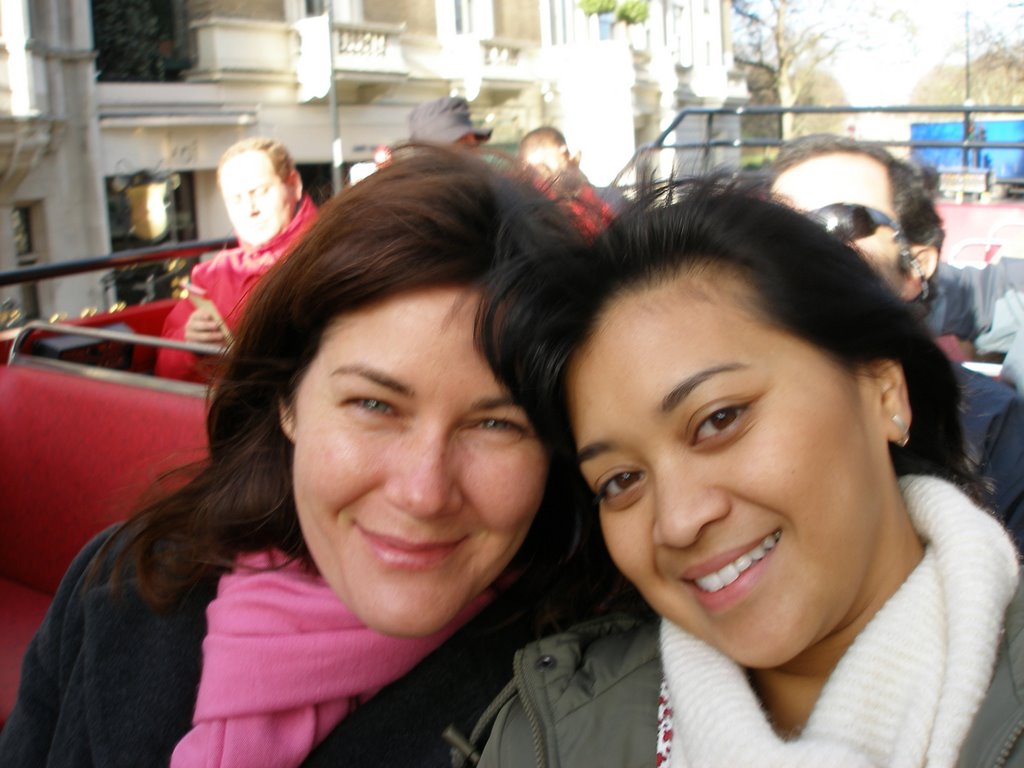
A ride through London on a double-decked bus offered a view of London not normally seen on my daily meanders. Although cold (and I stress cold), it was a real highlight of the trip.


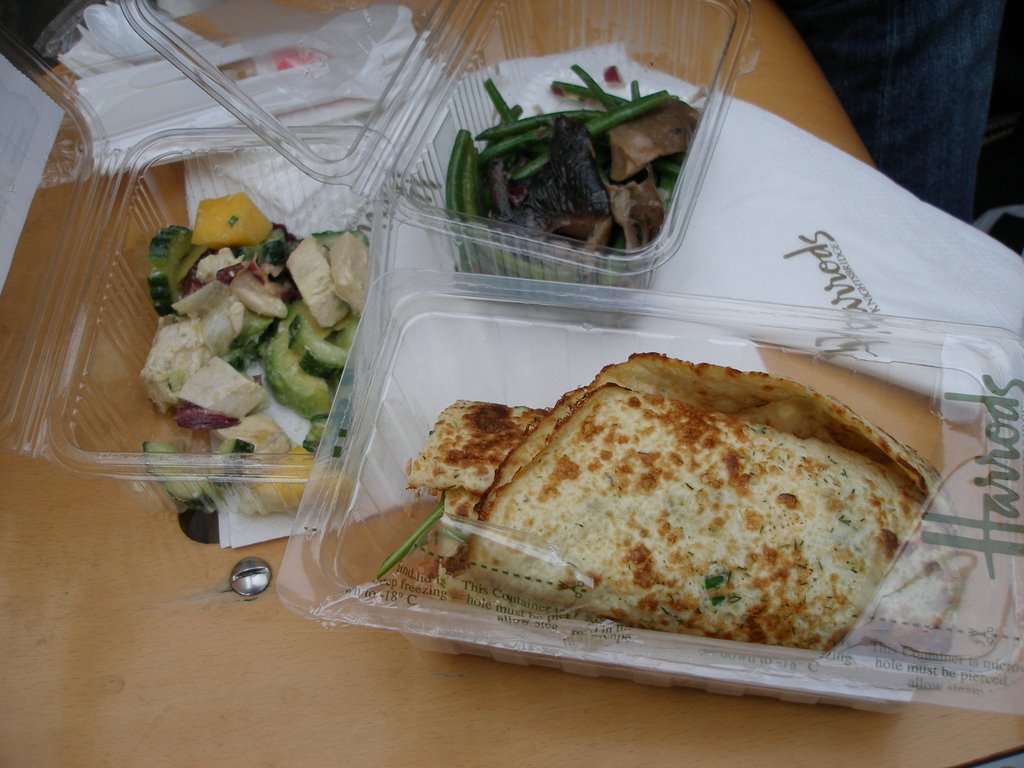
We took a boat down the Thames and lunched courtesy of Harrods food hall – a delicious omelette filled with salmon dressed with dill accompanied by a mushroom and green bean and a chicken and mango salad.


Dessert was courtesy of the Queen’s chocolatiers – Charbonnel & Walker.

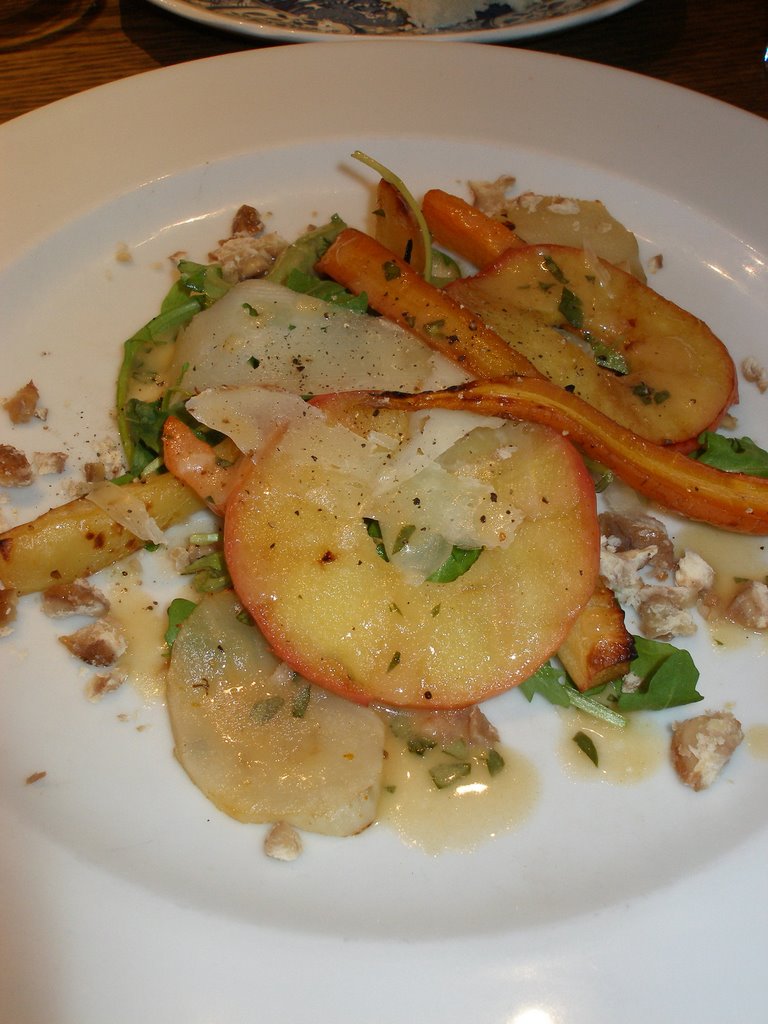
A trip to Liberty proved another opportunity to lunch as well as do some wedding dress research for Jane. My roast vegetable salad was all elegance – beautiful presented and served with a chestnut salad with maple cider dressing. Jane ordered a duck salad.


To continue the indulgence of the previous day, scones were ordered with a selection of specialist jams - rose petal jam, organic gooseberry and strawberry preserves, and clotted cream (my first taste of this celebrated English produce).

Thursday, November 23, 2006

Autumn and things Italian


It’s autumn in London. The days have become shorter and my early morning strolls in Hyde Park begin in semi-darkness and end with a very reluctant sun peering through the sky.

There is a depressed greyness to this new season despite the bursts of autumn sunshine. Some days it is bitter and I have become fascinated by the thickness of people's shoes and the down coats that mark the new season's wardrobe. My Melbourne winter coat, so cosy back home, does little to shield me from the sweeping winds that haunt central London on its most autumn days.

Regardless of the weather, I always head towards the Italian Water Gardens to look out, across the balustrades and ordered formality of gushing water. The air is cold and even the ground is covered in the frost from the night before – it’s beautiful.

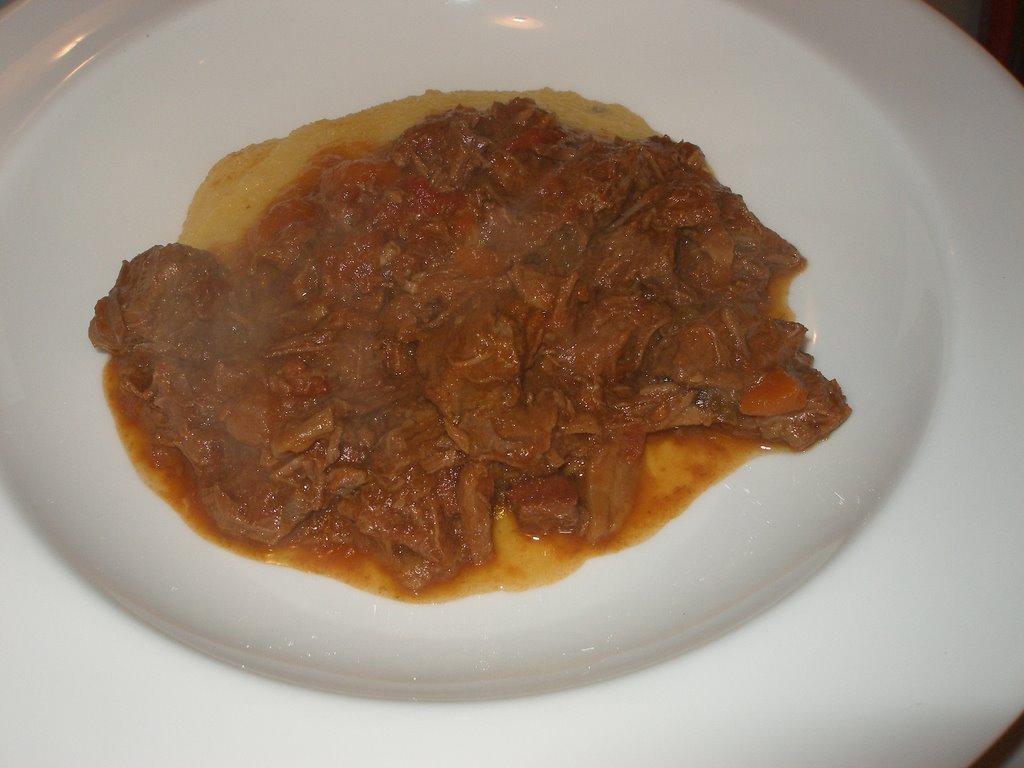
With autumn on my mind, I am inspired to cook an Italian beef ragu to warm the belly and embrace the depth and flavour of London’s cooler weather.


The recipe is easy enough – beef, garlic, celery, carrots, tomatoes and porcini mushrooms. Cooked for seven hours and served with a soft polenta, it’s the perfect way to celebrate the start of winter.

Monday, November 06, 2006

Gastronomic delights: a photo essay of the Salone du Gusto


Although a week has passed since my return from Italy, I remain passionate and excited about what I saw, tasted and savoured over my extravagant weekend in Turin.

So what impressed me?

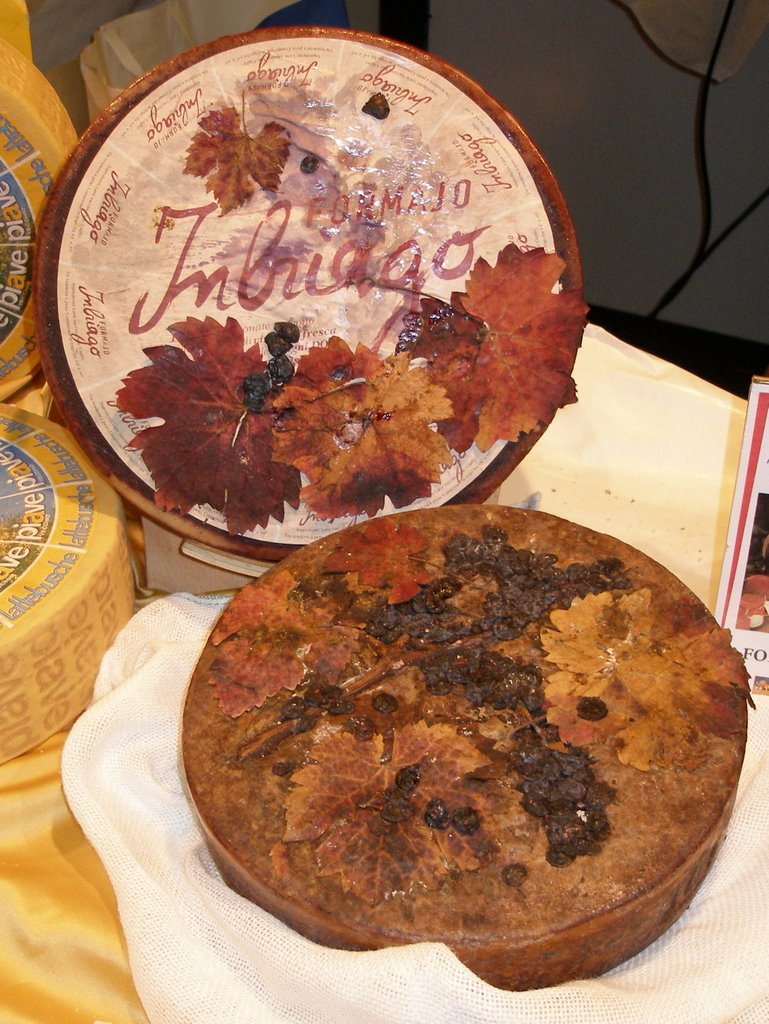
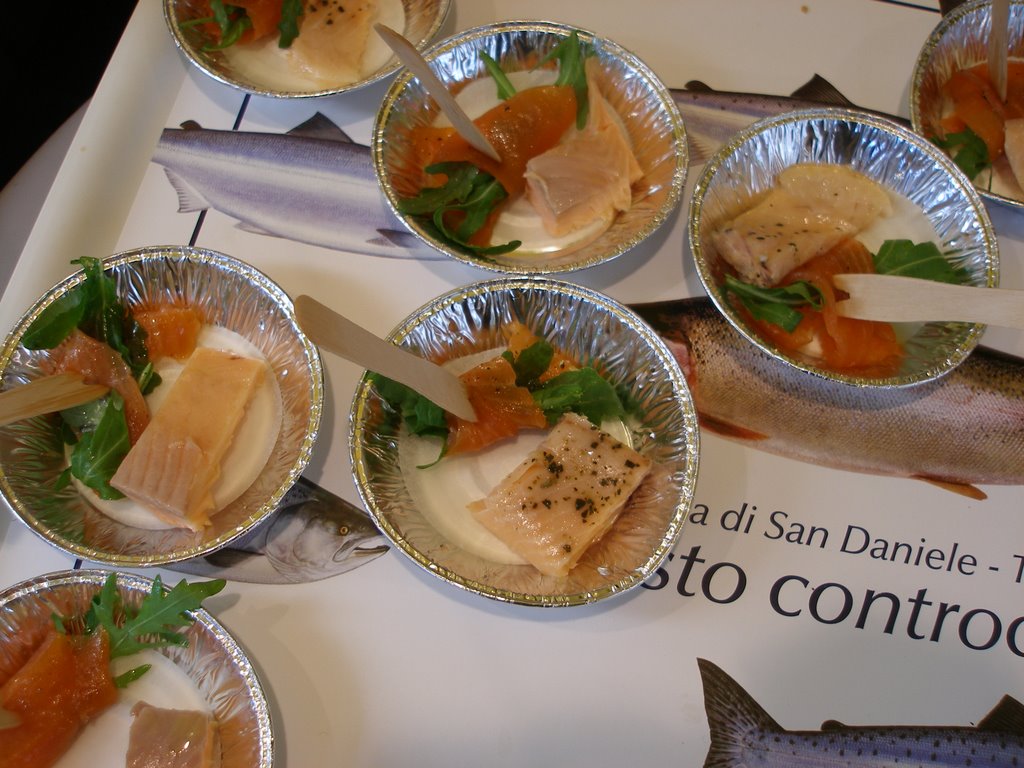
The freshness of everything I tasted and sampled.

The artistry of the produce.

The commitment to retaining traditions of eating and the hertiage of food communities.

The ethics of eating and the concern for biodiversity.

The quality of the food.

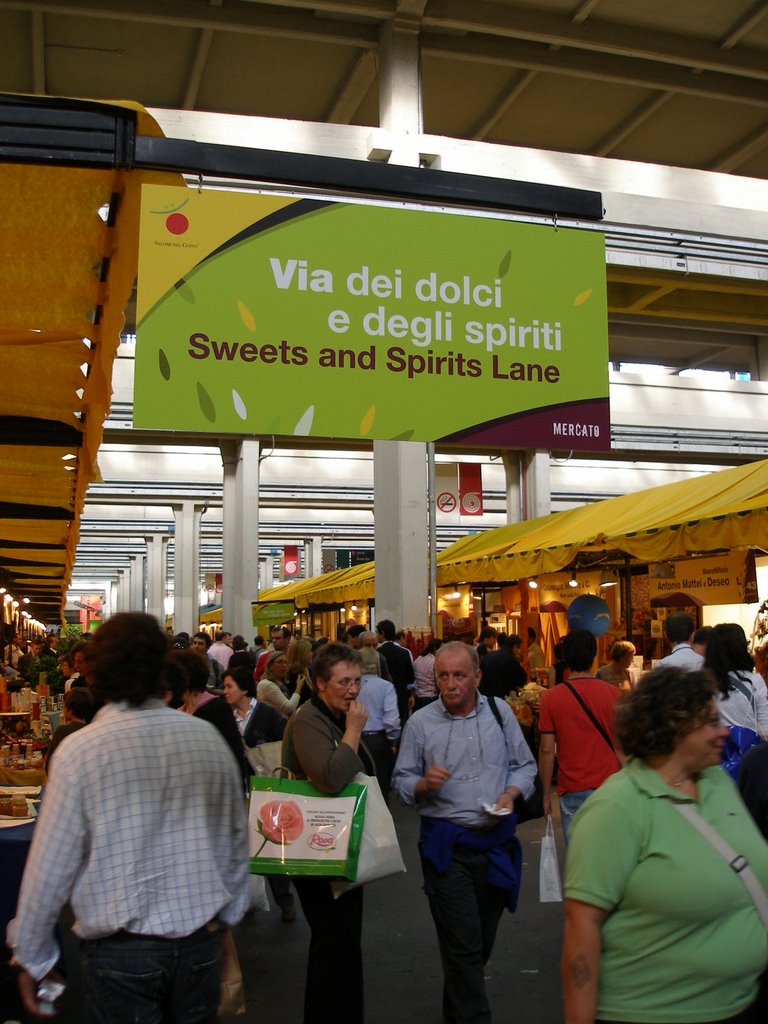
The size of the Salone and the number of people who attended.

And finally, the Slow Food Movement itself - such an achievement. In a world that continually urges us to go fast, this is a movement that says go SLOW.


Sweet nothings in Turin

Not only is Turin home to the Salone du Gusto, it is also a city celebrated for its cafes, confectionery and chocolate. Saturday morning provides the perfect opportunity to explore the piazzas of Turin, so I head off in search of sweet pleasures.

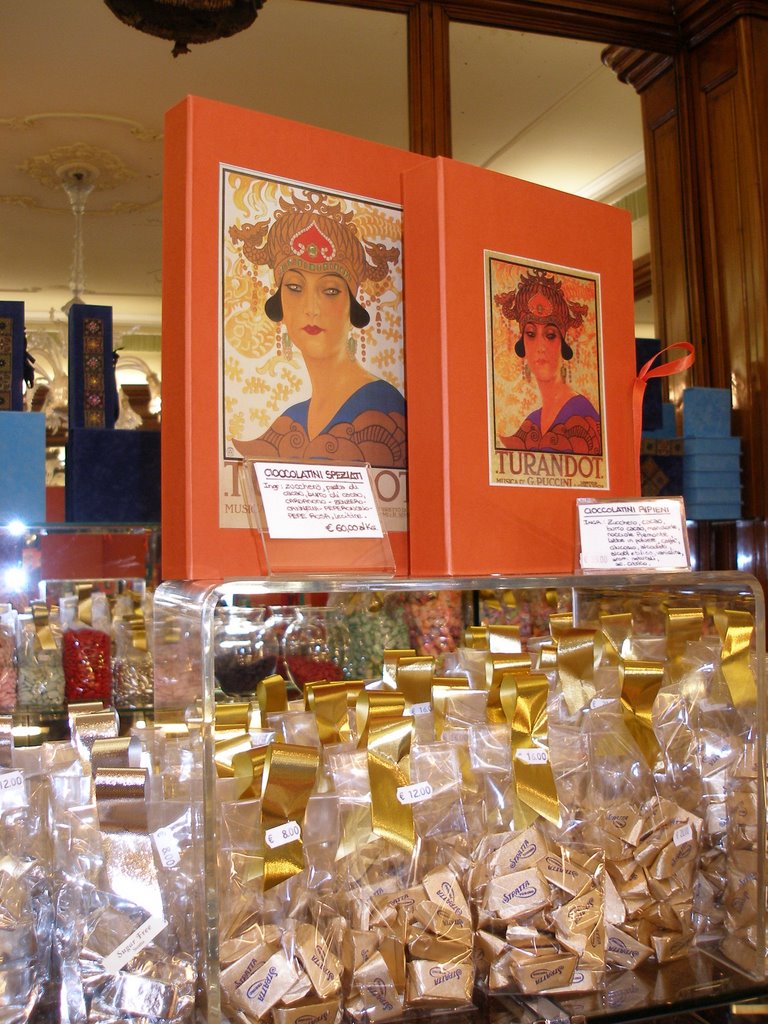
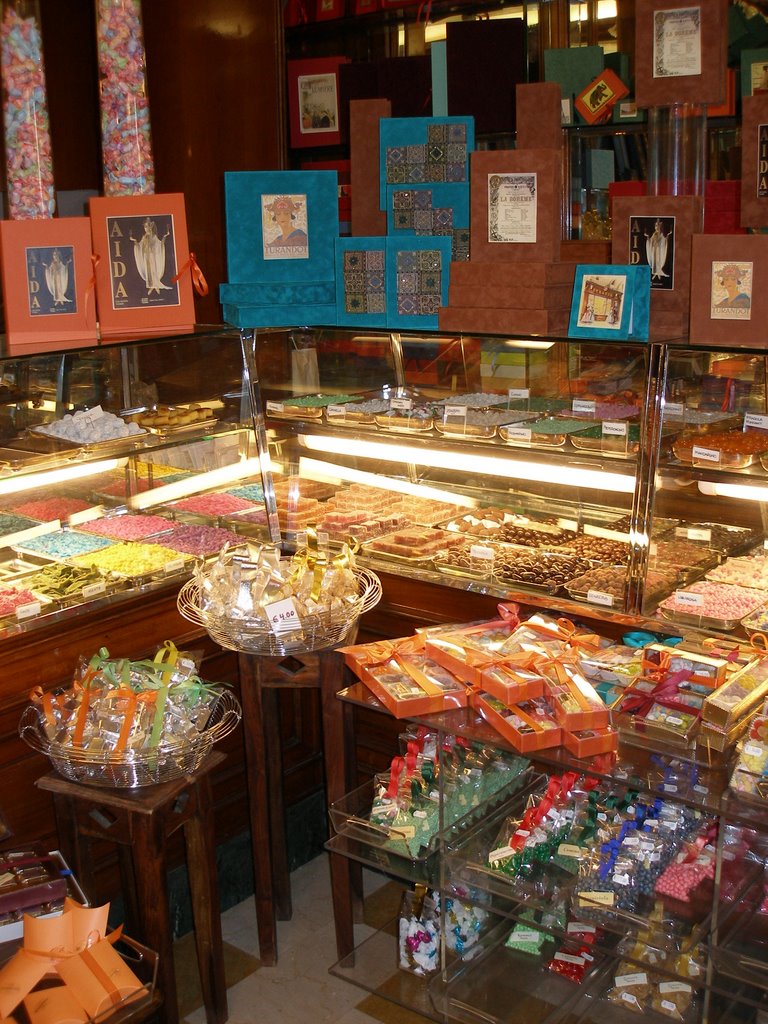
First stop is La Stratta in the Piazza San Carlo. Long recognised as a master confectioner, the techniques of making sweet nothings has remained relatively unchanged for the last one hundred and fifty years.It’s easy to spot – the tourists clutter its doorway and stand mesmerised by the jewel-coloured boxes and sumptuous display of chocolate and sweets. Never has the saying “food for the eye” been more apt. Inside, the decadence of the window continues into a gilded and mirrored interior. The walls are lined with boxes of different shapes and sizes decorated with either Art Deco styled prints of Puccini Operas or maps of Turin. The boxes alone are worth having.

Walking further along Via Roma and Via Guiseppe Garibaldi gives me the opportunity to take in some of the local architecture and all importantly to do some tasting of Turin’s famous gelati. Chocolate is the theme of the day as I sample Baci with pear.

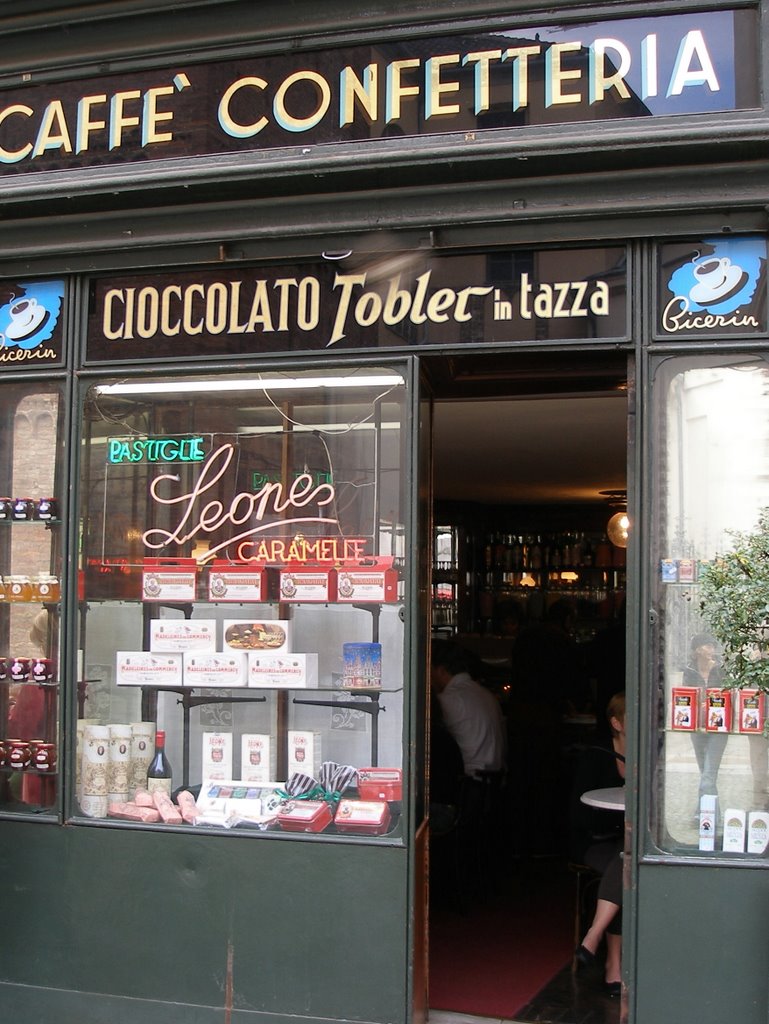
But it is Il Biceri that I am seeking – a chocolate shop that I have read about on the outskirts of Central Turin. With map in hand and sheer determination, I make my pilgrimage to what has been described as one of the best hot chocolates. I come close to not getting there – the frustration of my tourist map almost gets the better of me. But persistence is my second name and I smell my way to Il Biceri.

It is quaint café, small with a few lonely outside tables because of the cold. Inside, people stand waiting as those who have been lucky enough to have a seat cuddle their chocolates impervious to the crowd. These are hot chocolates to be savoured. I order at the bar. I say si to a question that is more Italian than English and await my pleasure.

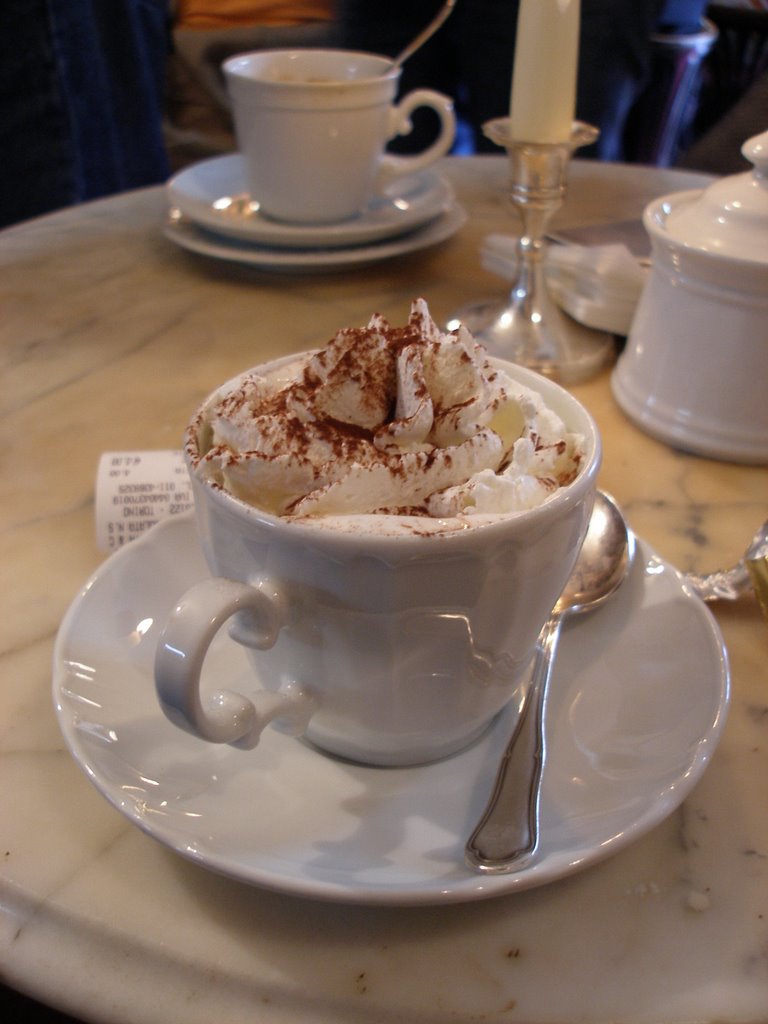
My chocolate arrives, topped with cream. I sit nursing it; first allowing the cream to dissolve in my mouth before dipping my spoon further in to taste the chocolate. It is wonderful.I slowly stir the cream into the chocolate watching it change colour before taking my first sip. It is rich, luxurious, heavy. I sit like everyone else does. Impervious to everything except making it last.

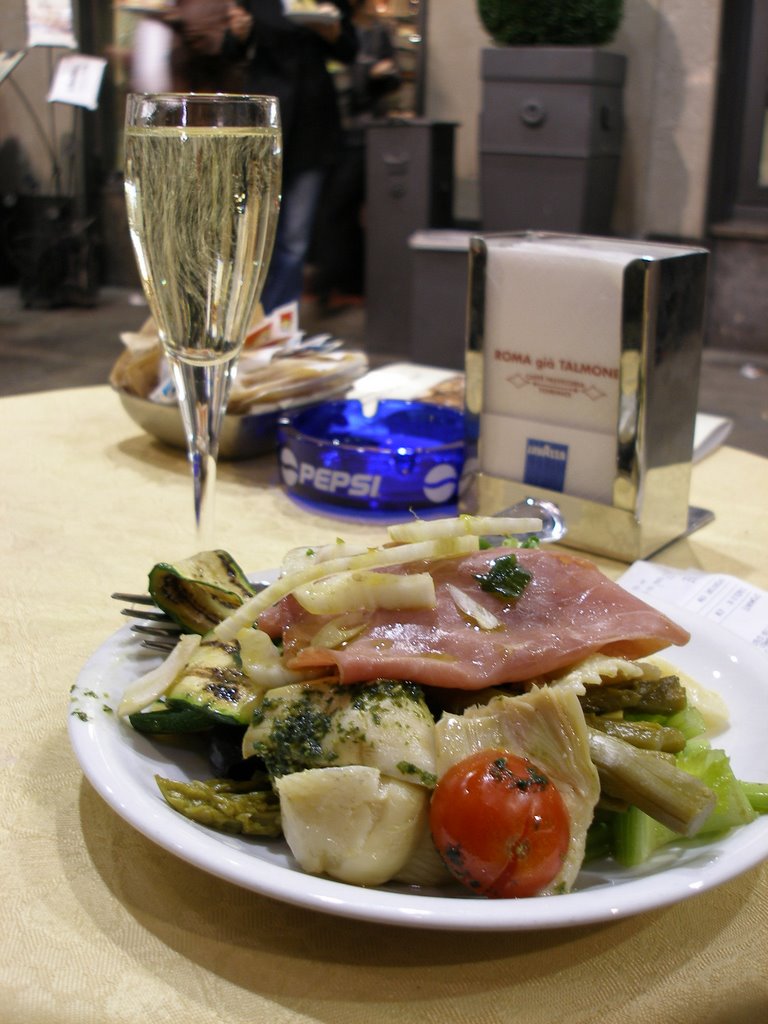
Dinner will be small tonight or so I tell myself as I head back to Roma Gia Talmone near my hotel. My feet are killing me but the promise of a small buffet with a glass of champagne is too good to resist.

And besides, I am here to eat. To taste, smell and savour the slowness of Italy. And so I do.